.png)
Mumbai’s Railway Heritage: Stations, Buildings and Stories Beyond CST

Mumbai’s railway system is more than just a network of trains and tracks. It is a living archive of the city’s growth, culture, and architectural evolution. While Chhatrapati Shivaji Terminus (CST) often steals the spotlight, the city’s railway heritage extends far beyond this iconic landmark. Exploring the lesser-known stations and buildings reveals fascinating stories and architectural gems that reflect Mumbai’s rich past and vibrant present.

The Legacy of Mumbai’s Railway Stations
Mumbai’s railway network began in 1853 with the first train running from Bori Bunder (now CST) to Thane. This marked the start of a transportation revolution that shaped the city’s development. While CST is a UNESCO World Heritage Site known for its Victorian Gothic design, many other stations carry unique architectural and historical significance.
Byculla Station: A Blend of History and Function
Byculla station, one of the oldest on the Central line, features a blend of Victorian Gothic and colonial architecture. Its red brick facade and arched windows reflect the design trends of the late 19th century. Beyond its architecture, Byculla has witnessed the city’s transformation from a colonial port town to a bustling metropolis.
Dadar Station: The Heart of Connectivity
Dadar station is a crucial junction connecting the Western and Central lines. Its importance goes beyond transport; it has been a witness to Mumbai’s social and cultural shifts. The station’s design is more functional than ornamental, but its role in daily life makes it a vital part of the city’s railway heritage.
Bandra Station: Gateway to the Suburbs
Bandra station, located in a vibrant suburb, combines old-world charm with modern upgrades. The station building retains elements of colonial architecture, while the platforms bustle with commuters from all walks of life. Bandra’s railway heritage is tied closely to the growth of Mumbai’s suburbs and the rise of local culture.
Architectural Highlights Beyond CST
Mumbai’s railway buildings showcase a variety of styles, from Gothic Revival to Art Deco and modernist influences. These structures tell stories of the city’s colonial past, industrial growth, and evolving urban landscape.
Victorian Gothic Influence
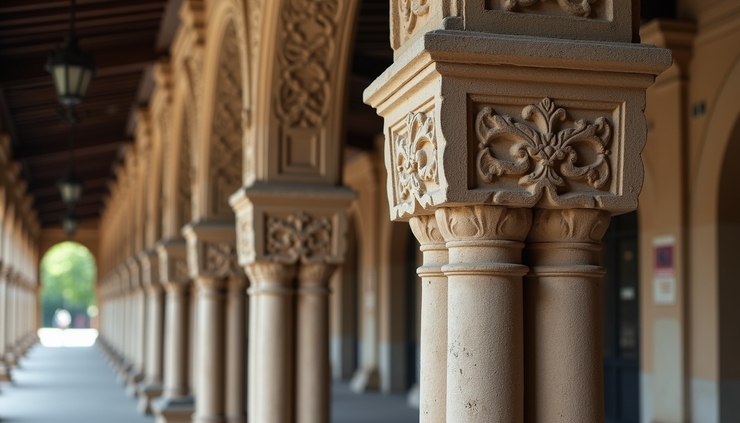
Many stations built during the British era feature Victorian Gothic elements such as pointed arches, steep roofs, and intricate stonework. This style aimed to convey power and permanence. Byculla and Kurla stations are examples where these features remain visible despite modernization.
Art Deco and Modernist Touches
In the 20th century, Mumbai embraced Art Deco and modernist styles. Some railway buildings and nearby structures reflect this shift with streamlined forms, geometric patterns, and functional design. These styles represent Mumbai’s adaptation to new architectural trends while maintaining its railway legacy.
Preservation Challenges
Preserving these historic buildings is a challenge amid rapid urban growth and infrastructure demands. Many stations face pressure to upgrade facilities while retaining their heritage. Efforts by heritage groups and government bodies aim to balance modernization with conservation.
Stories from the Tracks
The railway heritage of Mumbai is not just about buildings but also the stories of people and events connected to these places.
The Role in Mumbai’s Growth
Railways enabled the city’s expansion by connecting distant suburbs and industrial areas. Workers, traders, and migrants relied on trains to reach jobs and markets. Stations became hubs of economic and social activity, shaping neighborhoods around them.
Cultural Crossroads
Railway stations in Mumbai have long been melting pots of languages, cultures, and traditions. Vendors selling local snacks, musicians performing on platforms, and travelers from across India create a unique atmosphere. This cultural mix is a living part of the city’s heritage.
Tales of Resilience
Mumbai’s railways have faced challenges such as floods, strikes, and accidents. Each event has tested the system’s resilience and the spirit of its people. Stories of railway workers and commuters overcoming adversity add depth to the city’s railway narrative.
Exploring Beyond the Familiar
For those interested in Mumbai’s railway heritage, exploring stations beyond CST offers a richer experience. Walking tours, heritage walks, and photography excursions reveal hidden details and stories often missed by daily commuters.
Tips for Heritage Exploration
Visit early morning or late evening for softer light and fewer crowds.
Look for architectural details like arches, windows, and signage.
Talk to station staff and local vendors to hear personal stories.
Explore nearby neighborhoods to understand the station’s role in the community.
Supporting Preservation
Supporting heritage conservation can involve:
Joining local heritage groups or online forums.
Participating in guided heritage walks.
Advocating for sensitive restoration projects.
Sharing stories and photos to raise awareness.
Mumbai’s railway heritage is a treasure trove waiting to be discovered beyond the famous CST. Each station and building holds pieces of the city’s past and present, inviting exploration and appreciation.
The next time you travel by train in Mumbai, pause to notice the architecture and listen to the stories around you. These elements connect you to a history that continues to shape the city’s identity and daily life.


Comments