.png)
Understanding Plot Size Layout and Orientation for Smart Home Buyers
- Anushka Tech
- Feb 25
- 3 min read

When buying a home, many focus on the building itself but overlook the importance of the plot size, layout, and orientation. These factors shape your living experience, influence energy efficiency, and affect future expansion possibilities. Understanding these elements helps buyers make informed decisions that suit their lifestyle and long-term needs.
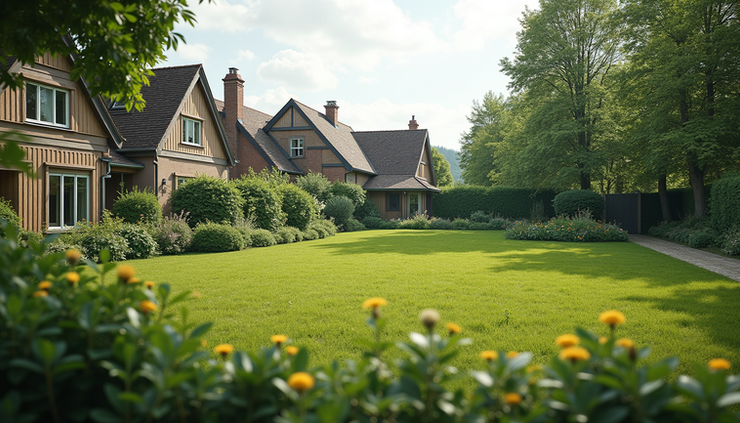
Why Plot Size Matters
Plot size is the total land area on which your home sits. It determines how much outdoor space you have for gardens, parking, or extensions. A larger plot offers flexibility but often comes with higher costs and maintenance.
Space for outdoor activities: Families with children or pets benefit from bigger plots.
Privacy: Larger plots usually mean more distance from neighbors.
Future expansion: If you plan to add rooms or build a garage, a bigger plot provides room to grow.
For example, a 500 square meter plot in a suburban area might allow for a spacious garden and a two-car driveway, while a 200 square meter plot in a city center might limit outdoor space but offer better access to amenities.
Understanding Plot Layout
The layout refers to how the land is shaped and divided. It affects how you can position your home and use the outdoor space.
Rectangular plots are easier to design and build on, offering straightforward layouts.
Irregular plots may require creative architectural solutions but can provide unique landscaping opportunities.
Sloped plots might need additional work for leveling but can offer scenic views.
Consider a narrow rectangular plot versus a square one. The narrow plot might restrict the width of the house but allow for a longer garden. Knowing the layout helps you visualize how your home and outdoor areas will fit.
The Role of Plot Orientation
Orientation means the direction your plot faces. It impacts sunlight exposure, ventilation, and energy efficiency.
North-facing plots in many regions receive consistent sunlight throughout the day, ideal for natural lighting.
South-facing plots might get less direct sunlight but can stay cooler in hot climates.
East-facing plots catch morning sun, which is great for bedrooms and kitchens.
West-facing plots get afternoon sun, warming living spaces in the evening.
For example, a north-facing plot in a temperate climate can reduce heating costs by maximizing sunlight in winter. In contrast, a west-facing plot in a hot climate might require extra shading to keep the home cool.
How to Choose the Right Plot Size, Layout, and Orientation
When selecting a plot, think about your daily habits and future plans.
Assess your outdoor needs: Do you want a garden, play area, or space for pets?
Consider privacy and noise: Larger plots or those with natural barriers can reduce noise.
Plan for sunlight: Choose orientation based on your climate and how you use rooms.
Check local regulations: Some areas have rules about building setbacks and plot coverage.
Visualize your home design: Match the plot layout with your preferred house style.
For instance, a family that enjoys gardening might prioritize a larger, rectangular plot with southern exposure for maximum sunlight. A couple who travels often might prefer a smaller plot with low maintenance.
Practical Tips for Evaluating Plots
Visit the site at different times of day to observe sunlight and shade patterns.
Talk to neighbors about noise, traffic, and community issues.
Review topography maps to understand slopes and drainage.
Consult with architects or builders about how the plot suits your home design.
Consider access to utilities and infrastructure.


Comments