.png)
The Forgotten Villages of Mumbai: Traces of the City Before the High-Rises
- A Tech IT
- 5 hours ago
- 4 min read

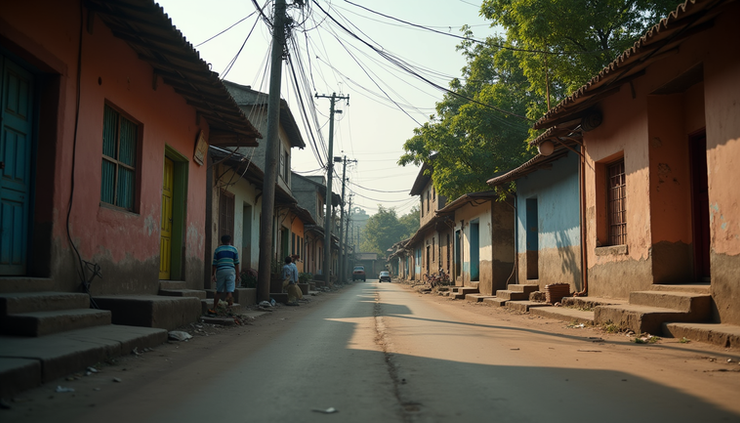
Mumbai is often seen as a city of skyscrapers, crowded streets, and relentless energy. Yet beneath this modern facade lie the forgotten villages that once formed the foundation of the city. These villages tell stories of a time before the high-rises, when Mumbai was a collection of fishing hamlets, farming communities, and quiet settlements. Exploring these forgotten corners reveals a different Mumbai — one shaped by tradition, nature, and slow rhythms of life.
Origins of Mumbai’s Villages
Before Mumbai became the financial capital of India, it was a group of seven islands inhabited by fishing communities and farmers. These villages were mostly self-sufficient, relying on the sea and land for their livelihoods. The original inhabitants belonged to communities like the Kolis, who were expert fishermen, and the East Indian Catholics, who cultivated crops and maintained local traditions.
The British arrival in the 17th century marked the beginning of transformation. They connected the islands through land reclamation and developed Mumbai as a port city. However, many villages continued to exist on the outskirts, preserving their unique identities despite the growing urban sprawl.
Notable Forgotten Villages and Their Stories
Several villages still exist within Mumbai’s limits, though many have been absorbed into the city’s urban fabric. Here are some notable examples:
Mahalaxmi: Known today for the famous Mahalaxmi Temple and racecourse, this area was once a small village with a close-knit community. The temple itself dates back to the 18th century and remains a spiritual anchor for locals.
Bandra: Originally a fishing village, Bandra has transformed into a trendy suburb. Yet, pockets like the Bandra Fort and the old Portuguese-style houses remind visitors of its colonial past and village roots.
Versova: This fishing village still retains its coastal charm. The Versova Koli community continues traditional fishing practices, and the village hosts vibrant festivals that celebrate their heritage.
Marol: Once a quiet village, Marol is now a busy commercial area. However, the old Marol village still exists with its narrow lanes and traditional houses, offering a glimpse into the past.
These villages often feature old temples, churches, and community halls that serve as cultural landmarks. They also host festivals that have been celebrated for centuries, preserving rituals and customs that predate the city’s rapid growth.
How Urbanization Changed the Villages
The rapid expansion of Mumbai brought significant changes to these villages. Land reclamation projects, infrastructure development, and real estate demand led to the disappearance of many traditional landscapes. Villagers often sold their land or adapted to new economic realities, shifting from fishing and farming to working in the city’s industries and services.
Despite this, some villages managed to maintain their identity by holding on to cultural practices and community bonds. However, the pressure of urban life has altered their social fabric. Narrow lanes have given way to wider roads, and traditional homes have been replaced by apartment buildings.
Why These Villages Matter Today
Understanding Mumbai’s forgotten villages is essential for appreciating the city’s full history. They offer:
Cultural continuity: These villages preserve languages, festivals, and crafts that are rare in the urban environment.
Architectural heritage: Old houses, temples, and churches showcase styles that contrast with modern buildings.
Community values: The sense of belonging and mutual support in these villages provides lessons for urban living.
Environmental insights: Many villages are located near mangroves, wetlands, and coastal areas, highlighting the importance of preserving natural habitats within the city.

How to Explore These Villages
For those interested in exploring Mumbai beyond its skyscrapers, visiting these villages offers a unique experience. Here are some tips:
Join guided heritage walks: Several organizations conduct tours focusing on Mumbai’s old villages, explaining their history and culture.
Visit during festivals: Events like the Koli fishing festival or local temple celebrations provide insight into village life.
Respect local customs: Many villages have close-knit communities. Approach with curiosity and respect.
Support local artisans and markets: Buying crafts or food from village markets helps sustain traditional livelihoods.
Preserving the Past for the Future
Mumbai’s forgotten villages face ongoing challenges. Urban development continues to threaten their existence, and younger generations often move away in search of modern opportunities. Preservation efforts require collaboration between local communities, historians, and city planners.
Documenting village histories, protecting heritage buildings, and integrating green spaces can help maintain these areas as living parts of Mumbai’s identity. Encouraging sustainable tourism and community-led initiatives also supports their survival.
The forgotten villages remind us that Mumbai is more than a city of glass and steel. It is a place where history lives in narrow lanes, where the sea still shapes lives, and where traditions endure despite change. Exploring these villages connects us to the roots of Mumbai and enriches our understanding of the city’s complex story.
Take a moment to look beyond the skyline next time you visit Mumbai. The quiet lanes of its forgotten villages hold stories waiting to be discovered. Supporting their preservation means keeping alive the soul of a city that grew from humble beginnings into a global metropolis.


Comments